
Ratha Yatra: The Grand Chariot Festival of Lord Jagannath
India is a land of vibrant festivals, and few match the grandeur of Ratha Yatra. This is the grand chariot festival of Lord Jagannath. Held annually in Puri, Odisha, it is one of the oldest and largest religious processions globally. Millions of devotees from across the world gather to witness this awe-inspiring spectacle filled with devotion, culture, and tradition.
The Significance of Ratha Yatra
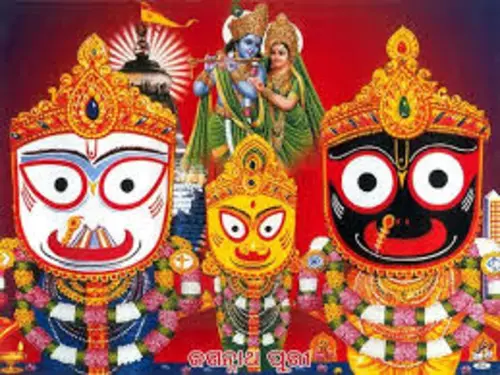
Ratha Yatra, or the Chariot Festival, marks Lord Jagannath’s annual journey from the Jagannath Temple to Gundicha Temple. He travels with his siblings, Balabhadra and Subhadra, to their maternal aunt’s home, about three kilometers away. This journey symbolizes the divine visit to devotees who cannot enter the temple throughout the year. The festival also unites people of all castes, creeds, and religions, as they pull the massive chariots together.
Historical and Mythological Origins
The tradition of Ratha Yatra spans over 5,000 years and is rooted in Hindu mythology. Lord Jagannath is regarded as a form of Lord Krishna. One legend states that Krishna longed to visit Vrindavan, symbolically represented by this journey. Another story tells of Queen Gundicha, a devotee, who requested Jagannath to visit her home, inspiring the annual pilgrimage.
Historically, King Anantavarman Chodaganga Deva of the Eastern Ganga Dynasty initiated the grand Ratha Yatra in the 12th century. Scholars believe the tradition existed even before the Jagannath Temple was built. Since then, it has continued uninterrupted with immense grandeur.
The Magnificent Chariots
The festival’s highlight is the three colossal chariots carrying the deities to Gundicha Temple. Carpenters, painters, and artisans rebuild the chariots each year using wood from specific trees like Phasi, Dhausa, and Simili. Over 1,000 craftsmen work meticulously for months to construct these majestic chariots.
The Three Chariots:
Nandighosa (Lord Jagannath’s Chariot):
Height: 45.6 feet
Wheels: 16
Color: Yellow and red
Guardian deity: Garuda
Taladhwaja (Lord Balabhadra’s Chariot):
Height: 44.2 feet
Wheels: 14
Color: Blue and red
Guardian deity: Vasudev
Darpadalana (Devi Subhadra’s Chariot):
Height: 43.3 feet
Wheels: 12
Color: Black and red
Guardian deity: Jayadurga
Devotees pull these chariots using thick ropes. Many believe that pulling the chariot brings divine blessings and washes away sins.
Rituals and Celebrations
Ratha Yatra follows a strict ritualistic schedule starting well in advance.
Snana Purnima (Bathing Festival):
Devotees ceremonially bathe the deities using 108 pitchers of scented water. Following this, the deities “fall ill” and remain in isolation for 15 days, called Anavasara.
Netrotsava (Nava Yauvan Darshan):
After Anavasara, devotees witness the rejuvenated form of the deities, marking Ratha Yatra’s beginning.
Pahandi Bije (The Grand Procession):
In this dramatic event, priests carry Lord Jagannath, Balabhadra, and Subhadra from the sanctum to their chariots amidst chants and music.
Chhera Pahanra (The Sweeping Ceremony):
In this unique ritual, the King of Puri, the Gajapati Maharaja, sweeps the chariot floors with a golden broom. This symbolizes that all are equal before God.
The Journey to Gundicha Temple:
The deities remain at Gundicha Temple for seven days, receiving offerings and prayers from devotees.
Bahuda Yatra (Return Journey):
After a week, the deities return to the Jagannath Temple in a grand procession mirroring the outward journey.
Suna Besha (Golden Attire Ceremony):
On returning, the deities are adorned in golden ornaments. This spectacular display draws thousands of devotees.
Global Influence of Ratha Yatra
Although Puri hosts the most famous festival, other cities like Kolkata, Ahmedabad, and Mumbai organize grand processions. ISKCON also celebrates Ratha Yatra internationally in countries like the United States, United Kingdom, Canada, and Australia. These events reflect Lord Jagannath’s universal appeal and growing devotion worldwide.
Spiritual and Cultural Significance
Ratha Yatra is more than a festival; it celebrates devotion, inclusivity, and surrender to God. It teaches bhakti (devotion) and shows that God comes to his devotees, breaking temple barriers.
The festival is also an artistic marvel, showcasing Odisha’s music, dance, and craftsmanship. Rhythmic beats of ghanta (cymbals), mridanga (drums), and sankirtan (devotional singing) create a mesmerizing atmosphere, captivating all present.
Conclusion
Ratha Yatra is an unparalleled spectacle of faith, tradition, and devotion. Witnessing Lord Jagannath, Balabhadra, and Subhadra on their chariots, accompanied by chants of “Jai Jagannath,” is a divine experience.
The festival unites people, spreading love, equality, and devotion. Each rolling chariot carries the prayers and hopes of millions. For devotees and cultural enthusiasts alike, experiencing Ratha Yatra at least once is a spiritual and mesmerizing journey.
Jai Jagannath!