

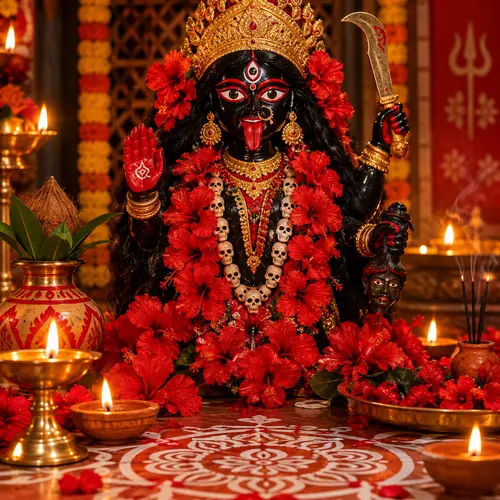
Kali Puja 2026: Date, Time, Significance and Bengali Rituals
Kali Puja is one of the most important religious and cultural celebrations in Bengal. Every year, on the auspicious night of Kartik Amavasya, Bengali households, temples and community puja committees come together to worship Maa Kali, the powerful Goddess who represents strength, protection, courage and the destruction of evil.
Also known as Shyama Puja, this sacred occasion transforms Bengal into a land of lights, devotion, beautifully decorated pandals and traditional celebrations. From the magnificent Kali Puja celebrations in Kolkata, Barasat and Naihati to the intimate household rituals performed by Bengali families, the festival holds a special place in Bengali culture.
For Bengalis living outside West Bengal and across the world, Kali Puja is also a wonderful opportunity to reconnect with their roots, preserve family traditions and celebrate the spirit of Bengal.
If you are preparing for Kali Puja 2026, here is everything you need to know about the date, auspicious timings, religious significance, traditional Bengali rituals and essential Puja Samagri.
Kali Puja 2026 Date in West Bengal
Kali Puja 2026 will be celebrated on Sunday, 8 November 2026, corresponding to 22 Kartik 1433 in the Bengali calendar.
The festival falls on Kartik Amavasya, the new moon day of the Hindu lunar month of Kartik. Unlike many other Hindu festivals where worship takes place during the morning or evening, the principal Kali Puja rituals are traditionally performed at night, particularly during Nishita Kaal, the midnight period.
Kali Puja 2026: Important Date and Time
Here are the important timings for Kali Puja 2026 in Kolkata:
| Occasion | Date and Time |
|---|---|
| Kali Puja 2026 | Sunday, 8 November 2026 |
| Bengali Date | 22 Kartik 1433 |
| Amavasya Tithi Begins | 8 November, 11:27 AM |
| Amavasya Tithi Ends | 9 November, 12:31 PM |
| Nishita Kaal Puja Muhurat | 8 November, 10:55 PM – 11:46 PM |
| Bhut Chaturdashi | Saturday, 7 November 2026 |
Please note: Timings are based on Kolkata. Actual muhurat calculations may differ slightly between Panjikas and locations. Always consult your preferred Bengali Panjika or local priest before performing religious rituals.
Why Is Kali Puja Celebrated?
Kali Puja is dedicated to Goddess Kali, one of the most powerful manifestations of the Divine Mother in Hindu tradition. She symbolises the triumph of good over evil, the destruction of negative forces and the protection of her devotees.
The word Kali is associated with the Sanskrit word Kala, meaning time. Goddess Kali represents the eternal nature of time and the ultimate power that governs creation, preservation and destruction.
Although her appearance is fierce, devotees worship Maa Kali as a compassionate mother who protects her children from fear, suffering and negative influences.
According to Hindu mythology, Goddess Kali emerged during a battle against powerful demons who threatened the balance of the universe. Her divine power destroyed evil forces and restored cosmic order.
Her fierce form reminds devotees that courage, truth and righteousness can overcome even the greatest challenges.
For Bengali devotees, Maa Kali is not simply a powerful goddess. She is Ma, the Divine Mother, who listens to prayers, protects families and provides strength during difficult times.
The Significance of Kali Puja in Bengali Culture
In Bengal, Kali Puja is much more than a religious occasion. It is an integral part of the region’s cultural identity.
While many parts of India celebrate Diwali primarily through Lakshmi-Ganesh Puja, Bengal traditionally dedicates the Kartik Amavasya night to the worship of Goddess Kali.
Kolkata, Barasat, Naihati, Krishnanagar and numerous other towns and villages organise spectacular Kali Puja celebrations.
Beautifully decorated pandals, artistic idols, traditional lighting, devotional music and community gatherings create a festive atmosphere throughout the state.
For many Bengali families, Kali Puja is also a time to clean and decorate their homes, light earthen lamps, prepare traditional food offerings and seek the blessings of Maa Kali.
The festival carries an emotional significance for probashi Bengalis as well. Families living in different parts of India and abroad often arrange small household pujas to maintain their connection with Bengali traditions.
Traditional Bengali Kali Puja Rituals
Kali Puja involves several traditional rituals that are followed by temples, community organisers and households. The exact procedures may vary according to family customs, regional traditions and the guidance of the priest.
Here are some of the important practices associated with Bengali Kali Puja.
1. Cleaning and Decorating the Home
Preparations for Kali Puja often begin several days before the festival.
Bengali households are cleaned and decorated to create a peaceful and devotional atmosphere. Many families decorate their entrances with traditional Alpona designs, flowers and colourful patterns.
Earthen lamps, candles and decorative lights are placed around the home to illuminate the surroundings.
Traditional Bengali Alpona designs, particularly those created using rice paste, add a beautiful cultural touch to the celebration.
2. Preparing the Puja Mandap
A dedicated place is arranged for worshipping Maa Kali. Families performing household pujas prepare a clean altar and arrange the idol or picture of the goddess.
Fresh flowers, garlands, incense, lamps and other traditional offerings are organised before the rituals begin.
The altar is decorated according to family customs, ensuring that all essential Puja Samagri is available.
3. Worshipping Maa Kali at Midnight
One of the most distinctive features of Bengali Kali Puja is the midnight worship.
Unlike many other Hindu festivals, Kali Puja is traditionally performed during Nishita Kaal. Priests perform the prescribed rituals, chant sacred mantras and offer flowers and other devotional items to the goddess.
Devotees pray for protection, prosperity, good health, courage and peace in their families.
4. Offering Red Hibiscus Flowers
Red hibiscus, commonly known as Joba Phool in Bengali, holds a special place in the worship of Maa Kali.
The bright red flower is traditionally associated with the goddess and is widely used in Kali Puja decorations and offerings.
Devotees offer fresh hibiscus flowers and garlands as a mark of respect and devotion.
5. Lighting Earthen Lamps and Diyas
Lighting lamps is an essential part of the festive atmosphere.
Bengali households illuminate their homes, balconies, courtyards and entrances with earthen lamps and decorative lights.
The lights symbolise the removal of darkness and the victory of positive energy.
Many families also arrange traditional Alpona patterns around the lamps to create a beautiful festive setting.
6. Offering Bhog and Prasad
Food offerings are an important part of Bengali religious celebrations.
During Kali Puja, families and temples prepare different varieties of Bhog according to their traditions.
Common offerings may include fruits, sweets, rice, khichuri, luchi and other vegetarian preparations. Certain temples and traditional forms of worship follow their own distinct offering customs.
After the rituals, Prasad is distributed among family members and devotees.
Kali Puja Samagri List: Essential Items for Worship
Preparing the Puja Samagri in advance makes the celebration more organised and convenient.
Although the exact requirements depend on the type of puja and family traditions, the following items are commonly associated with traditional Bengali Kali Puja.
General Kali Puja Essentials
- Maa Kali idol or photograph
- Red hibiscus flowers and flower garlands
- Fresh fruits and seasonal offerings
- Belpatra, where prescribed
- Incense sticks and Dhupbatti
- Dhuna and traditional incense materials
- Earthen lamps or Pradeep
- Cotton wicks
- Ghee or oil for lighting lamps
- Sindoor
- Haldi and Kumkum
- Chandan
- Rice grains and Dhaan
- Betel leaves and betel nuts
- Coconut
- Sweets and Bhog ingredients
- Ganga Jal
- Puja utensils and offering plates
- Flowers and decorative materials
- Matchbox and other everyday Puja essentials
Some traditional tantric rituals require additional materials and should be performed only under the guidance of a qualified priest.
For families preparing for Kali Puja at home, arranging the essential items beforehand helps avoid last-minute shopping.
Bhut Chaturdashi: The Bengali Tradition Before Kali Puja
No discussion of Bengali Kali Puja is complete without mentioning Bhut Chaturdashi.
Observed on the preceding day, Bhut Chaturdashi is an important Bengali tradition associated with the fourteenth day of the dark lunar fortnight.
One of its most familiar customs is lighting fourteen earthen lamps, popularly known as Choddo Prodeep, around the house.
Another distinctive tradition is preparing Choddo Shaak, a dish made using fourteen varieties of leafy greens.
According to popular Bengali belief, these customs are associated with remembering ancestors and protecting the household from negative influences.
The tradition of lighting fourteen lamps gives Bengali homes a special appearance on the eve of Kali Puja.
How Is Kali Puja Different from Diwali?
Although Kali Puja and Diwali generally fall on Kartik Amavasya, their traditional forms of worship differ across regions.
In many parts of India, Diwali is primarily associated with the worship of Goddess Lakshmi and Lord Ganesha during the evening.
In Bengal, Assam and parts of eastern India, the same Amavasya night is traditionally dedicated to Goddess Kali.
Here are some important differences:
| Kali Puja in Bengal | Diwali in Many Other Regions |
|---|---|
| Dedicated to Goddess Kali | Primarily dedicated to Goddess Lakshmi and Lord Ganesha |
| Worship traditionally takes place at midnight | Lakshmi Puja is generally performed in the evening |
| Also known as Shyama Puja | Also known as Deepavali |
| Famous for Kali Puja pandals and temples | Famous for Lakshmi Puja, diyas and family celebrations |
| Closely associated with Bhut Chaturdashi | Associated with several regional Diwali traditions |
Both celebrations share the message of positivity, devotion and the triumph of good over evil.
How to Celebrate Kali Puja Away from Bengal
For Bengalis living in Mumbai, Delhi, Bengaluru, Pune, Hyderabad and other parts of India, celebrating Kali Puja away from home can sometimes feel incomplete.
However, preserving Bengali traditions does not necessarily require a grand community celebration.
You can observe Kali Puja at home by arranging a small altar, decorating your surroundings with Alpona, lighting traditional lamps and organising the necessary Puja Samagri.
Families can also prepare Bengali Bhog, offer traditional flowers and follow their household rituals.
For probashi Bengalis living abroad, finding authentic Bengali Puja essentials can be challenging. Planning ahead and sourcing traditional items from a reliable Bengali store can make festive preparations easier.
Celebrate Kali Puja with Traditional Bengali Essentials from Bongo Hridoy
Festivals become more meaningful when we preserve the traditions and customs passed down through generations.
At Bongo Hridoy, we celebrate the rich cultural heritage of Bengal by bringing traditional Bengali products and everyday essentials closer to your home.
Whether you are preparing for Kali Puja, Kartik Puja or another traditional Bengali occasion, our online store offers a wide range of products inspired by Bengali customs and lifestyle.
Explore traditional Puja Samagri, incense products, Dhuna, Dhoopbatti, religious books, Bengali groceries, sweets, handicrafts and other traditional essentials.
From Bengal to your doorstep, Bongo Hridoy makes it easier to stay connected with your roots, wherever you live.
Visit www.bongohridoy.com and explore our collection of traditional Bengali products.
Bongo Hridoy – From the Heart of Bengal.
বাংলা থাকবে হৃদয়ে।
Frequently Asked Questions About Kali Puja 2026
1. When is Kali Puja in 2026?
Kali Puja will be celebrated on Sunday, 8 November 2026, corresponding to 22 Kartik 1433 in the Bengali calendar.
2. What is the Nishita Kaal timing for Kali Puja 2026?
According to the Kolkata timings published by Drik Panchang, the Nishita Kaal Muhurat is from 10:55 PM to 11:46 PM on 8 November 2026. Timings may vary slightly according to the location and Panjika.
3. Why is Kali Puja celebrated at midnight?
Kali Puja is traditionally performed during Nishita Kaal, the midnight period when the Amavasya Tithi prevails. This is considered an important time for the worship of Goddess Kali.
4. Is Kali Puja and Diwali celebrated on the same day in 2026?
Yes. Kali Puja and Diwali fall on Sunday, 8 November 2026. Bengali devotees traditionally worship Maa Kali, while many other regions primarily celebrate Lakshmi-Ganesh Puja.
5. What is another name for Kali Puja?
Kali Puja is also known as Shyama Puja. Shyama is another name for Goddess Kali, who is worshipped as the Divine Mother.
6. What flowers are offered to Maa Kali?
Red hibiscus, known as Joba Phool in Bengali, is one of the most popular traditional flowers offered to Goddess Kali.
7. What is Bhut Chaturdashi in Bengal?
Bhut Chaturdashi is observed on the day before Kali Puja. Bengali families traditionally light fourteen earthen lamps and prepare Choddo Shaak, a dish made using fourteen varieties of leafy greens.
8. Can Kali Puja be performed at home?
Yes. Many Bengali families perform Kali Puja at home by following their family traditions and the prescribed rituals. Those unfamiliar with the procedures can seek guidance from a knowledgeable priest.
9. What are the essential items required for Kali Puja?
Common essentials include red hibiscus flowers, incense sticks, Dhupbatti, Dhuna, earthen lamps, cotton wicks, fruits, sweets, rice, betel leaves, betel nuts, sindoor and other traditional Puja Samagri. The exact list depends on the rituals being followed.
10. Where can I buy traditional Bengali Puja Samagri online?
You can explore traditional Bengali Puja essentials, incense products, religious books, groceries and other cultural products at BongoHridoy.com, with shipping options across India and worldwide.