

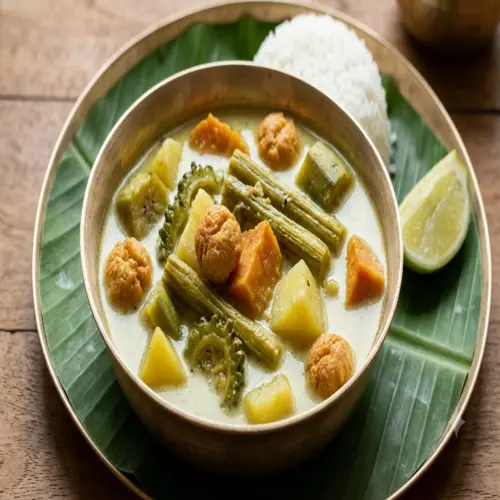
Shukto is one of the most traditional and distinctive dishes in Bengali cuisine. This classic mixed vegetable preparation brings together different vegetables, a lightly bitter flavour, gentle spices, and a creamy gravy. Although its taste may feel unusual to someone trying it for the first time, Shukto holds a special place on the Bengali dining table.
For generations, Bengali families have served Shukto as part of a traditional lunch, often at the beginning of a meal. The dish represents the richness of Bengali home cooking because it transforms a variety of everyday vegetables into something comforting, flavourful, and deeply connected to tradition.
Moreover, Shukto is not just a recipe. For many Bengalis, it brings back memories of family lunches, grandmother’s cooking, festive meals, and special occasions. Let us explore how to prepare this traditional Bengali mixed vegetable dish and understand why it remains so important in Bengali food culture.
What Is Shukto?
Shukto is a traditional Bengali mixed vegetable dish known for its unique combination of slightly bitter, mildly sweet, and savoury flavours. The recipe generally includes several vegetables, although the exact ingredients can vary from one household to another.
Common vegetables used in Shukto include bitter gourd, potato, raw banana, drumstick, brinjal, sweet potato, and ridge gourd. Bengali cooks often add bori, or sun-dried lentil dumplings, which provide extra texture and flavour.
The bitter gourd gives Shukto its characteristic bitterness. However, other vegetables and ingredients balance that flavour. As a result, the final dish tastes gentle, creamy, and pleasantly complex rather than overwhelmingly bitter.
Ingredients for Traditional Bengali Shukto
You can prepare Shukto using a variety of seasonal vegetables. Here is a commonly used combination:
- 1 small bitter gourd, sliced
- 1 potato, cut into long pieces
- 1 raw banana, cut into pieces
- 1 small sweet potato, cut into pieces
- 1 small brinjal, cut lengthwise
- 1 drumstick, cut into pieces
- A few pieces of ridge gourd or other seasonal vegetables
- 4–5 bori
- 1 tablespoon mustard oil
- 1 teaspoon panch phoron
- 1–2 bay leaves
- 1 teaspoon ginger paste
- 1 tablespoon poppy seed paste
- 1 tablespoon mustard paste, optional
- ½ cup milk
- ½ teaspoon sugar
- Salt to taste
- Water as required
Different Bengali households often follow their own family recipe. Therefore, you can adjust the vegetables according to availability and personal preference.
How to Prepare Shukto
Step 1: Prepare and Fry the Bori
First, heat mustard oil in a deep pan. Add the bori and fry them until they turn lightly golden. Remove them from the pan and keep them aside.
Next, lightly fry the bitter gourd. This step helps develop its flavour while keeping its traditional character intact. After frying, remove the bitter gourd and set it aside.
Step 2: Cook the Vegetables
Now add a little more oil if necessary. Add the panch phoron and bay leaves. Once the spices release their aroma, add the potatoes, raw banana, sweet potato, drumstick, and other vegetables.
Then add salt and gently stir everything together. Cook the vegetables for a few minutes so that they absorb the flavours of the spices.
Unlike heavily spiced curries, Shukto uses only a few seasonings. Therefore, avoid adding too many spices, as the natural flavours of the vegetables should remain noticeable.
Step 3: Add the Spice Paste
Next, add the ginger paste and poppy seed paste. If you enjoy a stronger traditional flavour, you can also add a small amount of mustard paste.
Mix everything carefully and add enough water to cook the vegetables. Cover the pan and allow the vegetables to become tender.
Meanwhile, make sure that the vegetables do not become overly soft. Shukto tastes best when each vegetable retains some of its shape and texture.
Step 4: Add Milk and Final Ingredients
Once the vegetables are nearly cooked, add the fried bitter gourd and bori back into the pan.
Then add milk slowly while stirring gently. The milk gives Shukto its mild, creamy texture and balances the bitterness of the vegetables.
Add a small amount of sugar to create the traditional balance of flavours. Finally, allow the dish to simmer for a few more minutes.
Once the vegetables are fully cooked and the gravy reaches your preferred consistency, switch off the heat. Your traditional Bengali Shukto is ready to serve.
How to Serve Shukto
Traditionally, Bengalis serve Shukto at the beginning of a meal with freshly cooked steamed rice. In a typical Bengali lunch, people often start with a bitter preparation before moving on to dal, vegetables, fish, or meat dishes.
This traditional order reflects the careful structure of Bengali cuisine. Each course offers a different taste and texture, creating a complete dining experience.
Moreover, Shukto works beautifully as part of a festive Bengali meal. Families may serve it during special occasions, religious ceremonies, and traditional celebrations.
Why Shukto Is Important in Bengali Culture
Shukto represents the creativity and diversity of Bengali cooking. Instead of relying on a single vegetable, the recipe combines many ingredients in one dish. Consequently, it reflects the Bengali tradition of making the most of seasonal produce.
The dish also demonstrates the importance of balance in Bengali cuisine. Bitter gourd, sweet potato, milk, poppy seeds, and gentle spices come together to create multiple layers of flavour.
Furthermore, Shukto carries strong emotional value. Many Bengalis associate it with home-cooked meals prepared by mothers and grandmothers. Even today, the aroma and taste of Shukto can bring back memories of childhood and family gatherings.
Shukto in Bengali Celebrations
Shukto often appears on the menu during traditional Bengali occasions. In particular, it has an important place in biye bari, or Bengali wedding feasts, and other ceremonial meals.
The dish reflects the traditional Bengali approach to hospitality. When families prepare a complete meal for guests, they often include several courses. Shukto adds a distinctive beginning to this culinary journey.
Additionally, serving Shukto demonstrates respect for traditional food customs. Even as modern Bengali cuisine continues to evolve, this classic preparation remains a favourite at homes and special gatherings.
Conclusion
Shukto is much more than a mixed vegetable dish. It is a beautiful expression of Bengali culinary heritage, family traditions, and the art of balancing flavours.
With bitter gourd, seasonal vegetables, bori, poppy seeds, and a mild creamy gravy, Shukto creates a taste that is truly unique. Although every family may prepare it differently, the heart of the dish remains the same.
Above all, Shukto reminds us that traditional food carries stories from one generation to the next. Whether served during a simple family lunch or as part of a grand Bengali feast, this timeless dish continues to hold an important place in the heart of Bengali cuisine.